
Kitchens experienced a substantial metamorphosis during the 1950s, which was indicative of the evolving times and the postwar period. Such kitchens were distinguished by their stylish yet practical layouts, which integrated an array of cutting-edge elements that transformed the manner in which individuals prepared meals and engaged in conversations within this critical area of the household.

An element that stood out in Kitchens of the 1950s was the incorporation of contemporary appliances. As their prevalence increased, electric burners and furnaces supplanted conventional gas-powered alternatives. The increased precision and convenience of these new culinary appliances enabled more effective meal preparation. Furthermore, the expansion and improved accessibility of refrigerators allowed households to stock an increased assortment of perishable foods.
Additionally, cabinetry and storage solutions were substantially redesigned during this time. Wood was frequently used to construct kitchen cabinets in the 1950s, which featured streamlined, clear lines. Pantone hues, including baby blue and mint green, were widely favored for kitchen cabinetry, as they contributed an element of liveliness to the area. The proliferation of open shelving and glass-front cabinets enabled householders to exhibit their fashionable dishware while also fostering an airy ambiance in the kitchen.
Custom Kitchens Chicago
Also prevalent during the 1950s were the renowned Formica countertops. The laminate surfaces exhibited remarkable durability, effortless maintenance, and an extensive assortment of colors and patterns. In the kitchens of the 1950s, Formica countertops proliferated, lending an air of functionality and modernity to the overall aesthetic.
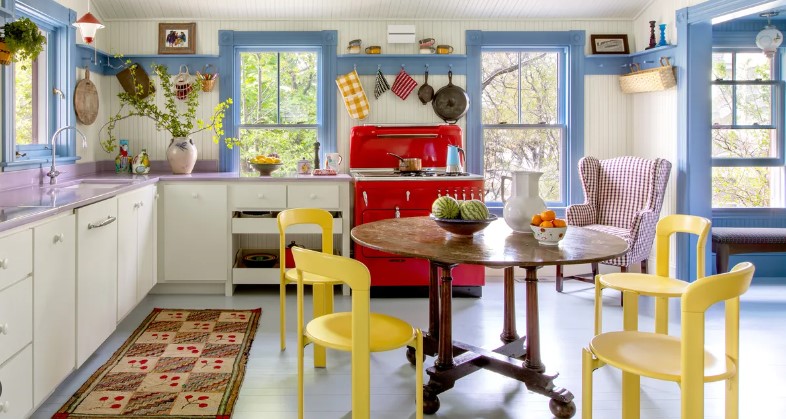
Embraced in the kitchens of the 1950s was the design element of inviting breakfast areas. These compact dining spaces, which featured built-in booths or benches, were frequently hidden away in a kitchen alcove. Breakfast corners served as an informal area for families to partake in meals collectively, thereby cultivating a feeling of unity and closeness.
Kitchens of the 1950s were, on the whole, an amalgamation of design and functionality. The purpose of these spaces was to accommodate the requirements of contemporary families, placing emphasis on practicality, effectiveness, and visual attractiveness. Innovative storage solutions, vibrant color schemes, and the incorporation of contemporary appliances were all elements of 1950s kitchens that paved the way for the kitchens we adore today.
Skitchen Design